
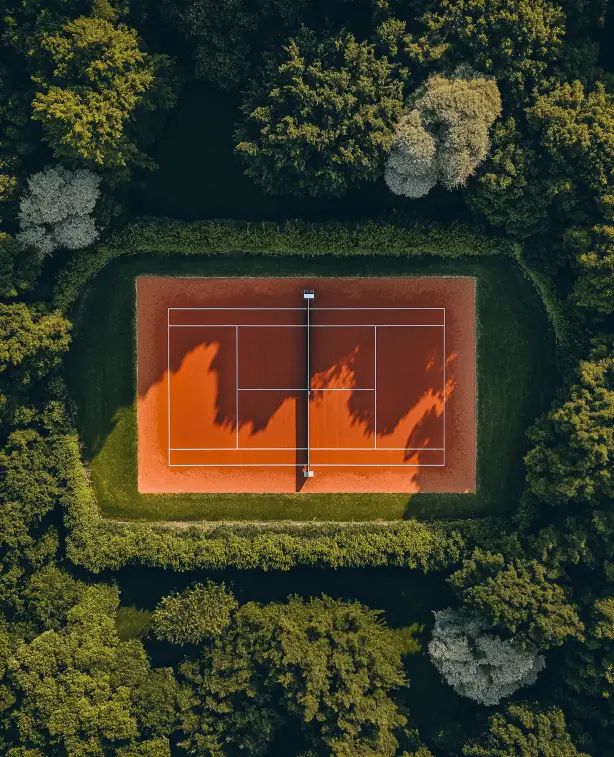
An aerial shot can turn a good gallery into a memorable one, and it no longer requires a five-figure setup. A consumer drone with basic obstacle avoidance is enough for the kind of establishing shots most clients actually want: a venue from above, a property boundary, a court or field in full context.
The two habits that matter most are checking wind and light before takeoff, since drone footage shakes and flattens fast in either bad wind or flat midday sun, and shooting straight down or at a shallow angle rather than defaulting to a 45-degree hero shot every time.
Local rules around registration and no-fly zones vary a lot, so that is worth ten minutes of research before the first paid job, not after. Once that is sorted, treat the drone like any other lens: it is one more angle to reach for, not the whole shoot.